How to Decorate a Small Apartment with Preserved Moss Wall Art
Small apartments often leave you with little floor space but plenty of bare walls. Finding decor that adds life without creating visual clutter can feel like a puzzle. Preserved moss wall art offers a natural, low-maintenance solution that brings texture and a calming green presence into tight quarters. Unlike live plants, it needs no watering or sunlight, which makes it ideal for rooms where a traditional houseplant might struggle.
This article walks through the practical steps of using moss art for apartments, from choosing the right piece to placing it so it enhances your space rather than overwhelming it. Whether you live in a studio, a compact one-bedroom, or a narrow flat, these guidelines will help you introduce a natural focal point that stays fresh for years.
Why Moss Art Works in Small Spaces
Preserved moss is real moss that has been treated to retain its colour and softness without needing water or soil. It does not grow, so it will not outgrow a frame or shed leaves. That makes it a reliable option for wall-mounted decor in areas where you want greenery but cannot commit to regular plant care. In a small apartment, every surface counts, and a vertical patch of moss can replace a shelf of potted plants or a stack of framed prints, freeing up floor and table space.
Moss art also absorbs sound slightly, which can help soften the echo in a small, hard-floored room. The texture adds depth without adding bulk, so the room feels fuller but not cramped. For a narrow hallway or a compact office, that difference matters.
Step 1: Assess Your Wall Space and Light Conditions
Before you pick a piece, look at the walls you have available. In a small apartment, you are often working with one or two open walls per room, plus possibly a narrow hallway. Measure the width and height of each candidate wall. Note where furniture sits, where doors swing, and how much clear vertical space remains.
Light matters even though preserved moss needs no sunlight to stay alive. Direct, intense sunlight can fade the colour of preserved moss over time, so avoid placing the art where strong afternoon sun hits it daily. Indirect natural light or ambient room light is fine. A spot near a north-facing window or across from a bright wall works well.
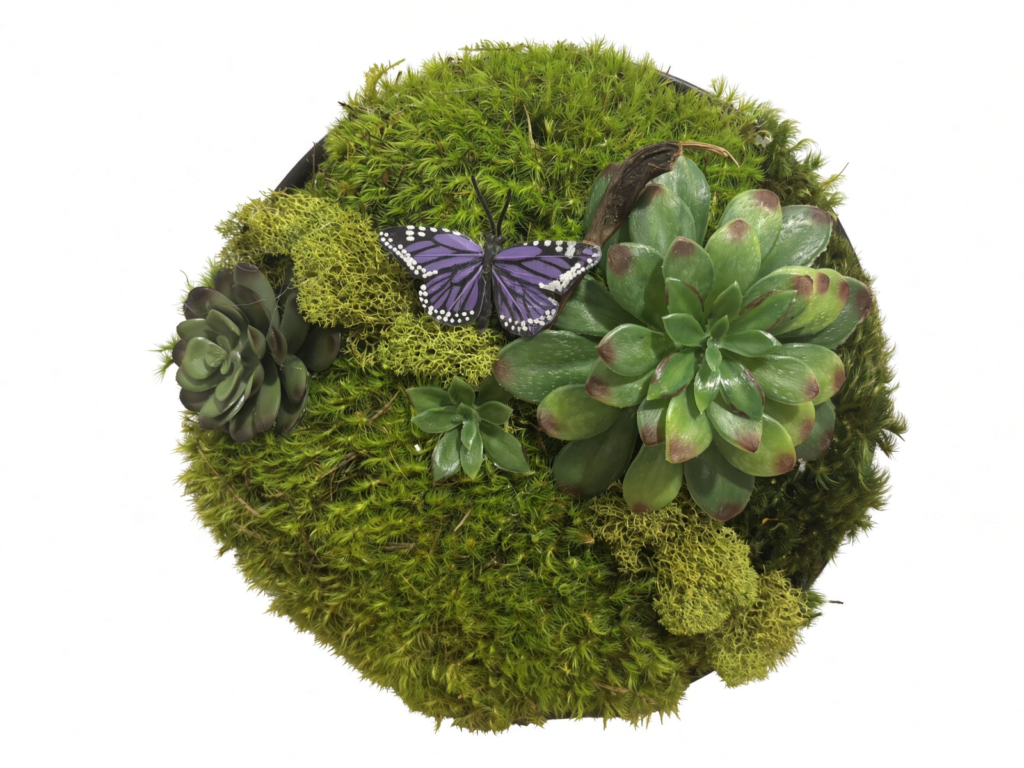
What to watch for: Do not choose a piece that is wider than the furniture below it. If you place a 90-centimetre-wide moss panel above a 60-centimetre console table, the proportions will feel off. Keep the art roughly two-thirds to three-quarters the width of the furniture underneath for a balanced look.
Step 2: Choose the Right Size and Shape
Moss art for apartments comes in many forms: framed panels, geometric shapes, custom layouts, or simple rectangles. For a small space, a single larger piece often works better than several small ones. A cluster of tiny frames can look busy and fight for attention, whereas one substantial panel anchors the wall and creates a calm focal point.
Consider vertical orientation. A tall, narrow piece draws the eye upward, making the ceiling feel higher. That is especially useful in a room with low ceilings or in a narrow hallway where width is limited. Horizontal pieces suit walls above a sofa or bed, where they echo the line of the furniture.
What to watch for: Do not go too large. A piece that covers more than two-thirds of a wall can make the room feel smaller because it leaves no breathing room. Leave at least 15 to 20 centimetres of bare wall on each side. In a very small room, a piece that is 40 by 60 centimetres can be enough to make a statement without overwhelming the space.
Step 3: Decide on the Moss Type and Frame Style
Preserved moss comes in several varieties. Flat moss (often called sheet moss) has a velvety, carpet-like texture and works well for a clean, modern look. Reindeer moss has a soft, branching structure that adds more depth and a slightly wilder feel. Some pieces combine both for contrast. Pick the texture that suits the mood you want: smooth for calm, textured for interest.
The frame or backing matters just as much. A slim, minimal frame in black, white, or natural wood keeps the focus on the moss. A deep shadow-box frame adds dimension but takes up more visual weight. For a small apartment, a shallow frame that sits close to the wall helps the art feel like part of the surface rather than an object protruding from it.
What to watch for: Avoid glossy frames in small rooms. They reflect light and can create distracting glare. Matte finishes blend in better and keep the eye on the greenery.
Step 4: Plan the Placement with Existing Decor
Moss art is a natural element, but it does not have to sit alone. Consider what surrounds it. A piece of moss art above a desk in a compact office can soften the hard lines of monitors and bookshelves. In a living room, place it where it contrasts with a neutral wall colour - white, light grey, or beige - so the green stands out without competing with busy wallpaper or bold paint.
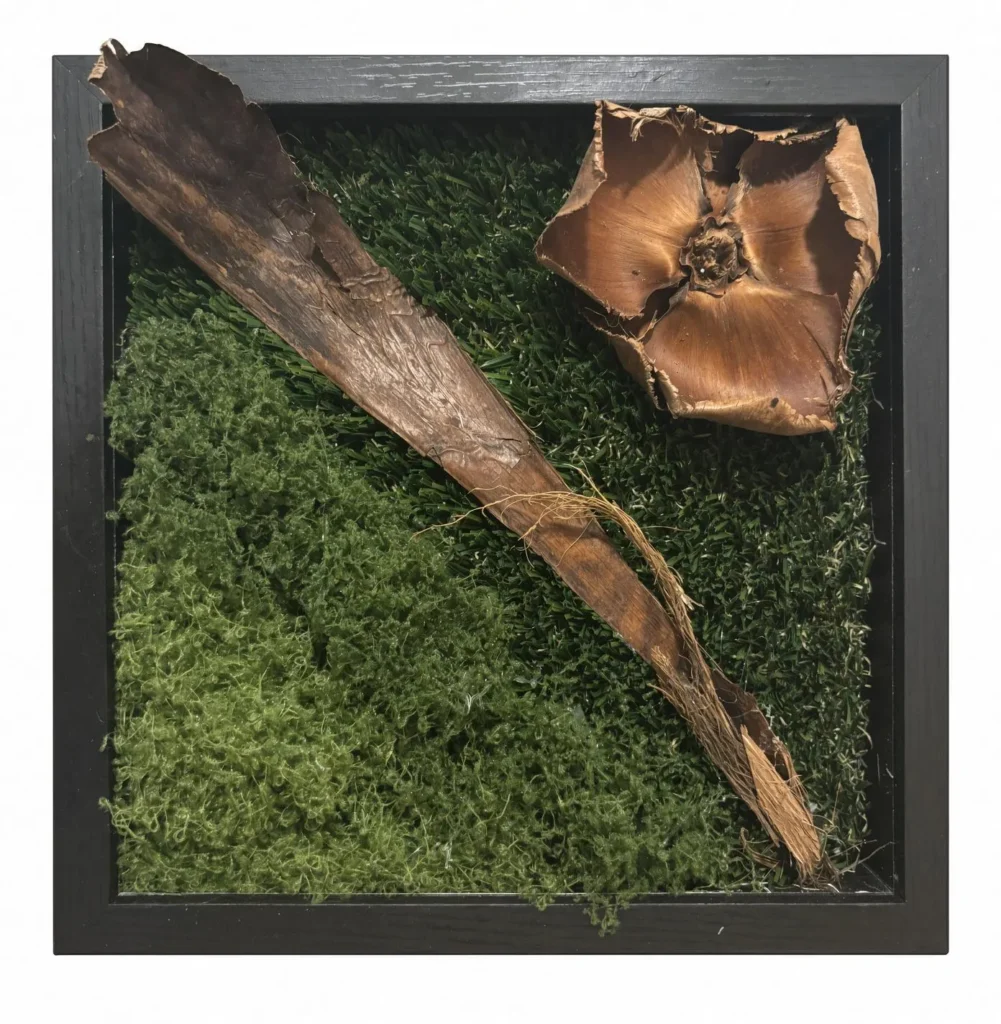
If you have other wall decor, give the moss art enough space. A general rule is to leave at least 10 centimetres between separate items. That prevents the wall from looking cluttered, which is a common pitfall in small apartments. The moss itself provides visual texture, so it does not need many neighbours.
What to watch for: Do not hang moss art directly above a heat source such as a radiator or a space heater. Heat can dry out the preserved moss faster and cause it to become brittle over time. A cool, stable environment keeps it looking fresh.
Step 5: Hang It Securely and Level
Moss art is not heavy compared to a large framed mirror, but it still needs proper hardware. Use a wall anchor suitable for your wall type - drywall, plaster, or brick. For a piece that weighs a few kilograms, a single picture hook rated for that weight is usually enough. For larger panels, use two hooks spaced evenly.
Level the piece carefully. A tilted frame in a small room is more noticeable because the eye has fewer reference points. Use a spirit level during installation. If you are unsure about placement, mark the top edge with a light pencil line before hammering the hook.
What to watch for: In a narrow hallway, make sure the piece does not protrude into walking space. Some shadow-box frames extend several centimetres from the wall. If the hallway is less than 90 centimetres wide, choose a flat-mounted piece or a frame that sits flush.
Step 6: Maintain It Without Effort
Preserved moss needs almost no care. It does not need water, fertiliser, or pruning. The main thing to avoid is moisture. Do not spray it with water or place it in a bathroom with high humidity. If dust settles on the surface, a light puff of compressed air or a gentle brush with a soft, dry paintbrush will clean it. Do not use a vacuum cleaner directly on the moss; the suction can pull bits loose.
Keep the art out of direct, strong sunlight to prevent fading. If you notice the colour lightening after a couple of years, you may be able to treat it with a moss-safe colour restorer, but most preserved moss holds its hue for three to five years under normal indoor conditions. After that, the piece can still look good, but the green may become more muted.
What to watch for: Do not place moss art near a window that is opened frequently in humid weather. Occasional exposure to humid air is fine, but constant dampness can encourage mould on the backing material. A living room, bedroom, or home office is a safer spot than a bathroom or laundry room.
Putting It All Together
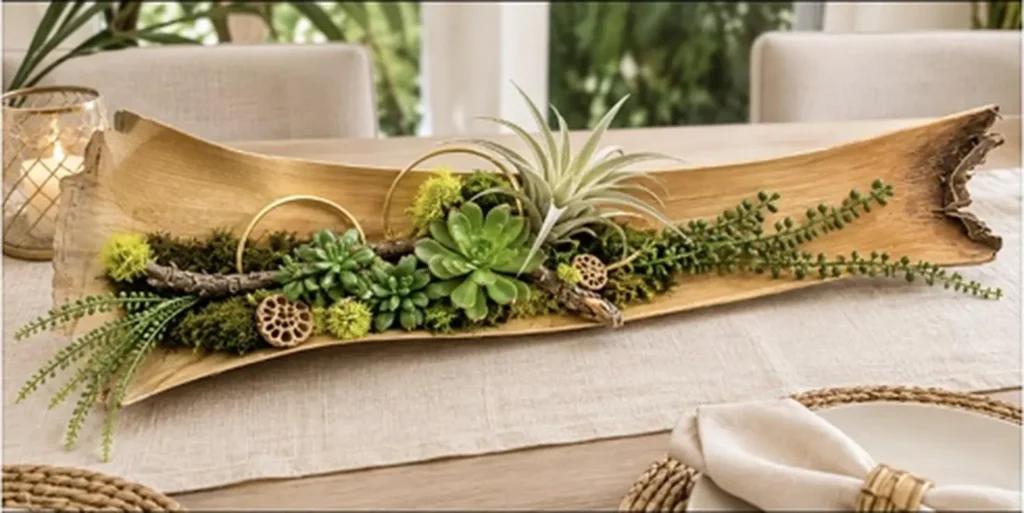
When you choose a single piece of moss art and place it thoughtfully, it becomes a natural anchor for the room. It draws the eye, softens the space, and adds a sense of calm that plain walls cannot provide. In a small apartment, where every design choice has to earn its place, moss art does double duty: it decorates without taking up floor space, and it brings the outdoors in without the maintenance.
Start with one wall. See how the texture changes the feel of the room. From there, you can decide whether a second piece in another room would create a cohesive look or if the single accent is enough. The key is restraint - one well-placed panel often has more impact than several scattered pieces.
Moss art for apartments is a practical way to introduce greenery into tight spaces. It respects your square footage while giving you a living, breathing texture that plain decor cannot match. With the right size, placement, and care, it can stay beautiful for years, making your small apartment feel more like a natural retreat than a box of walls.